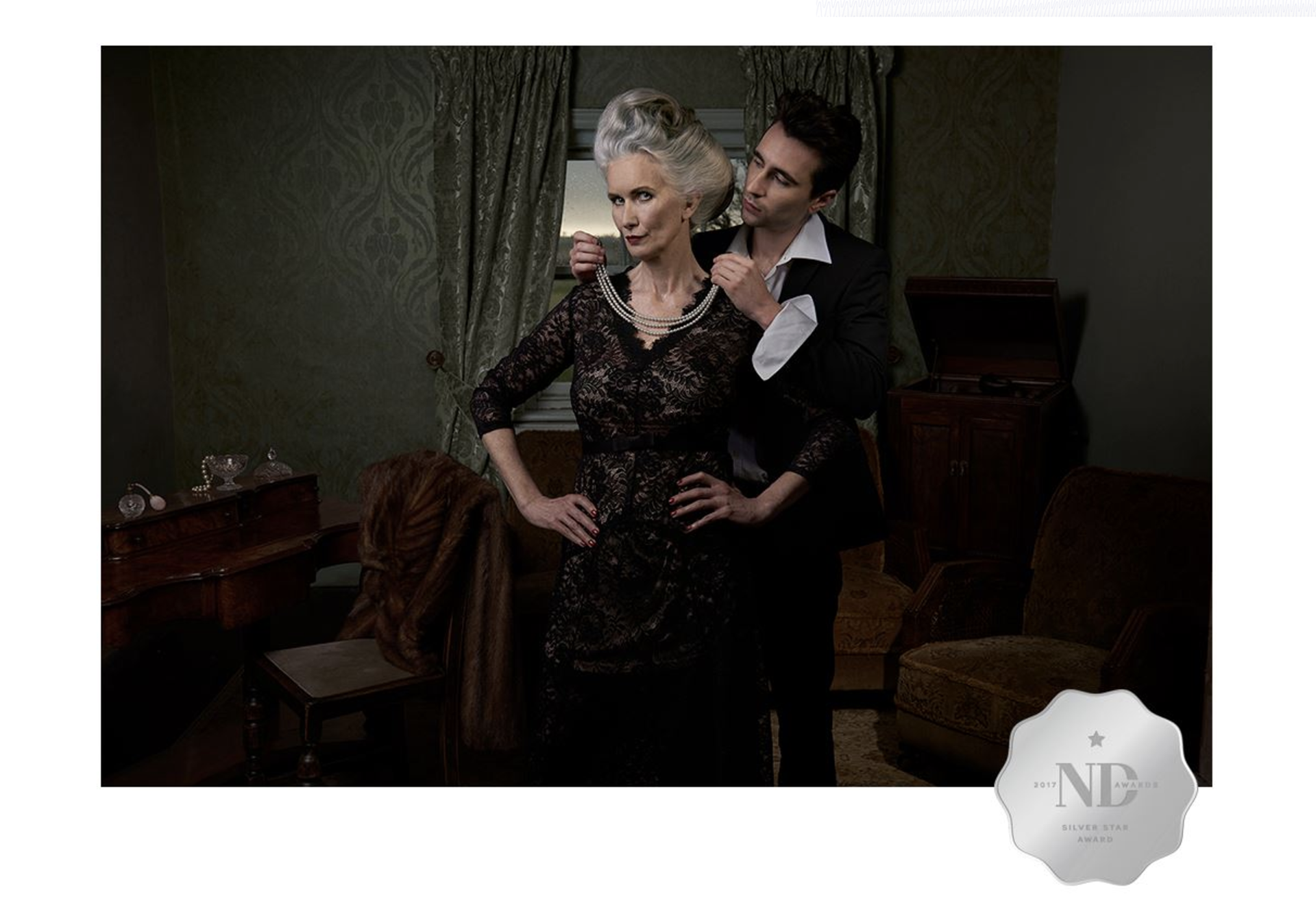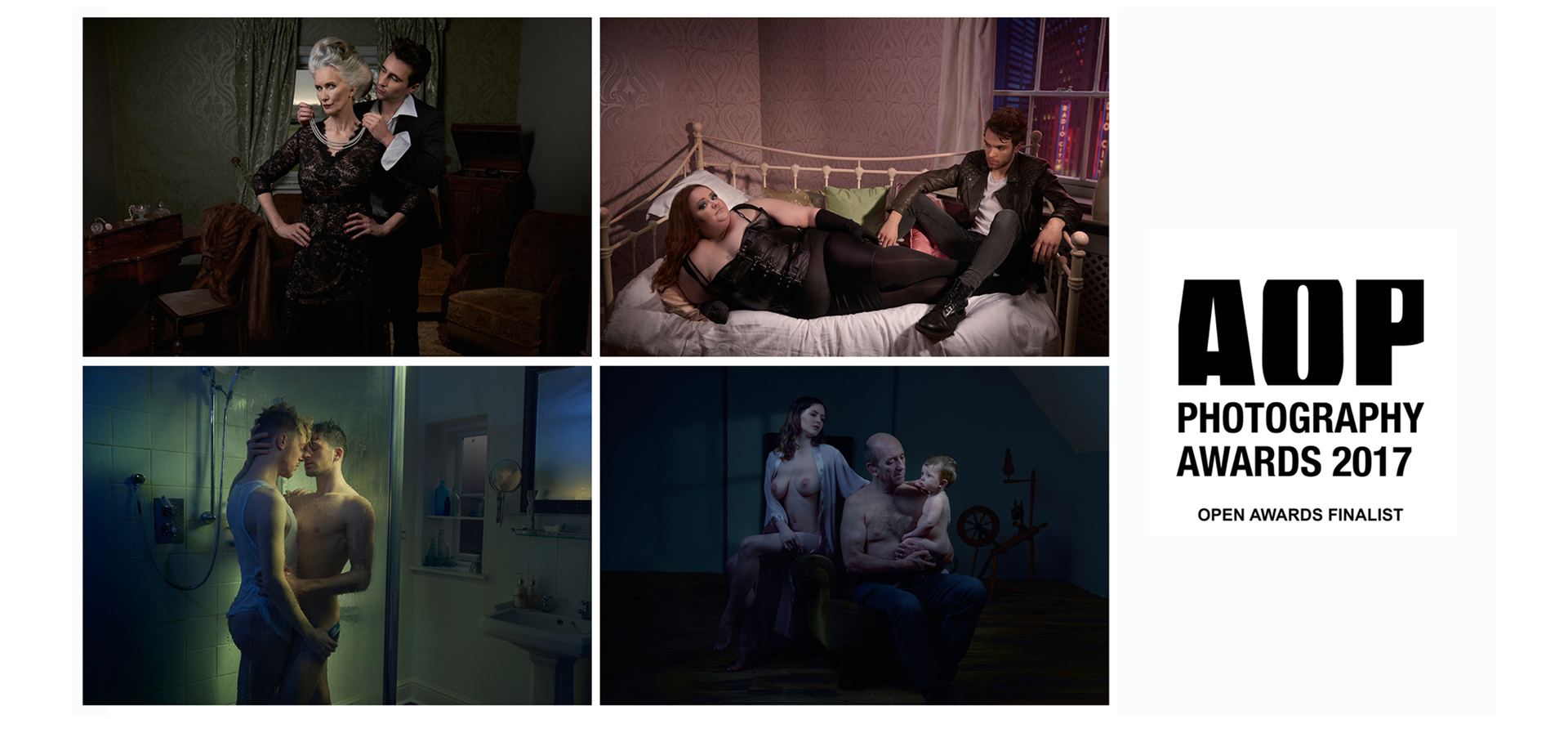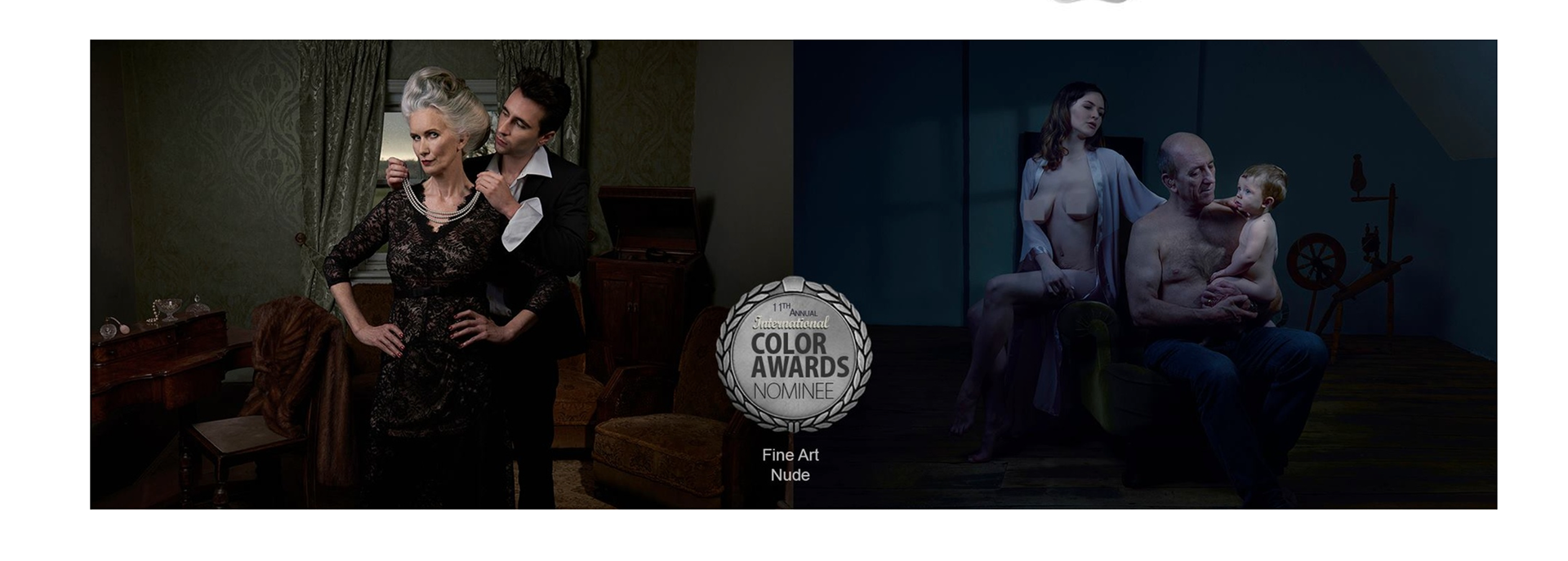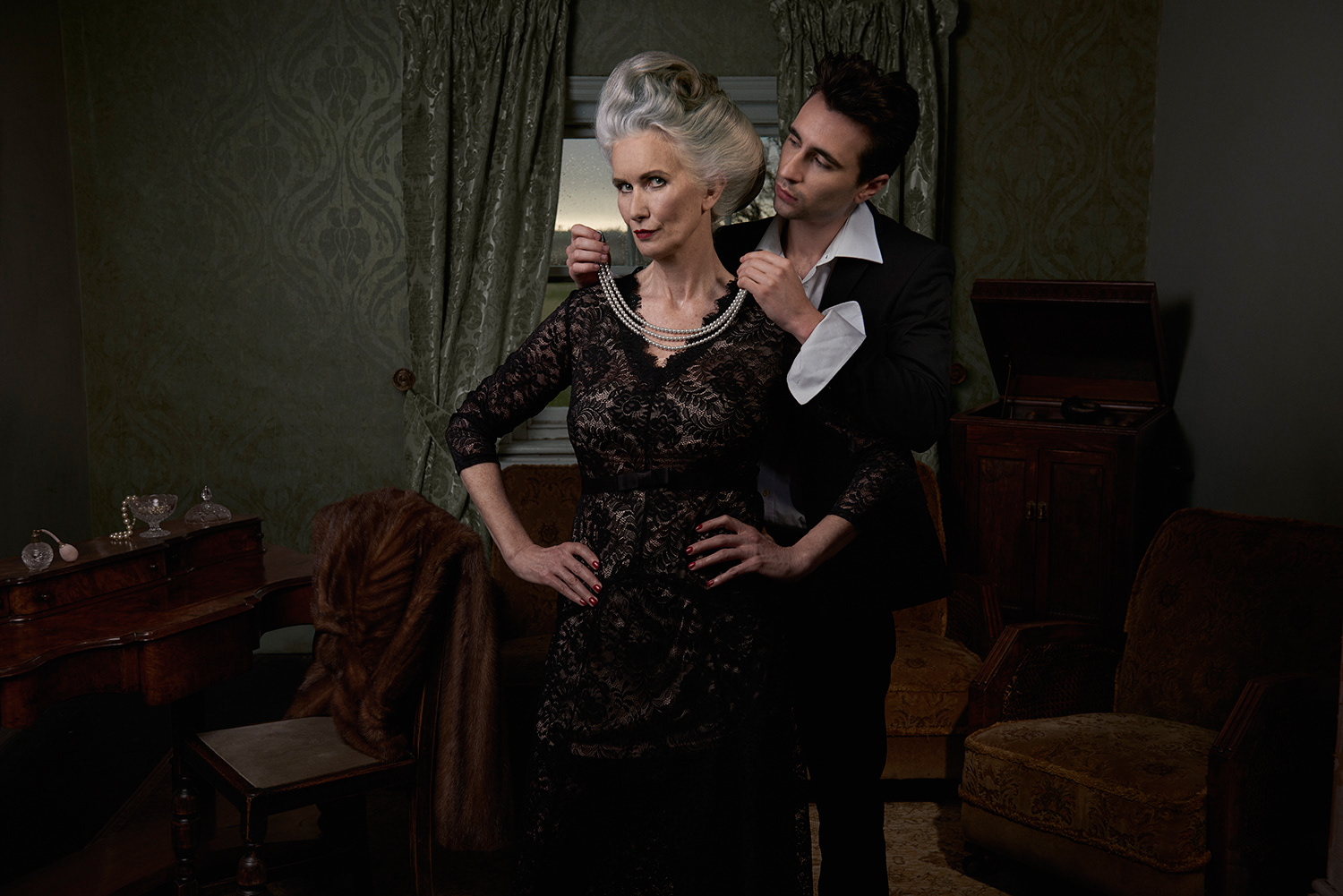
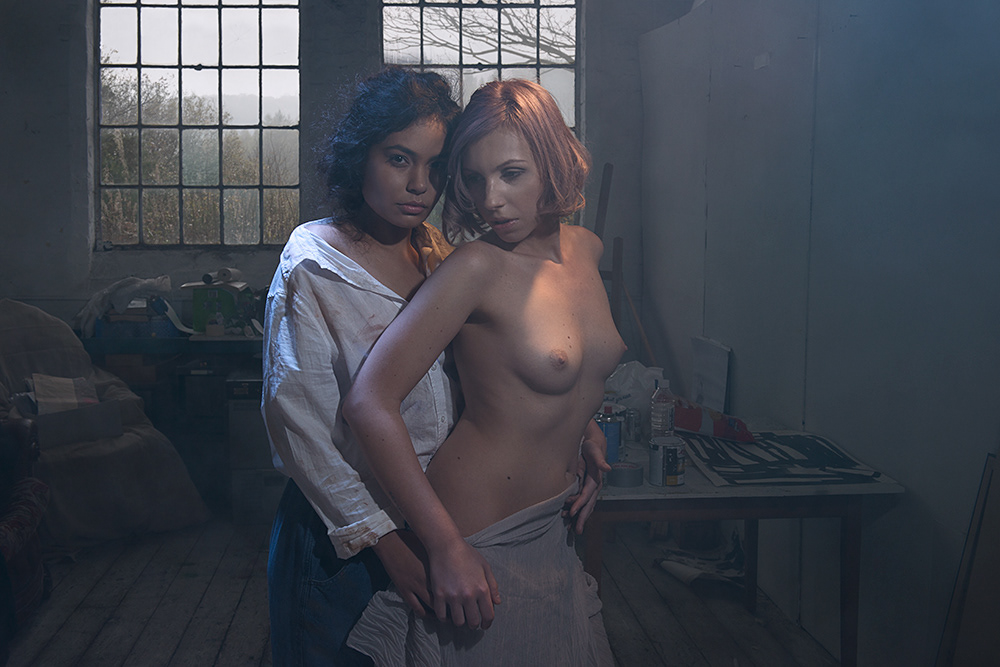
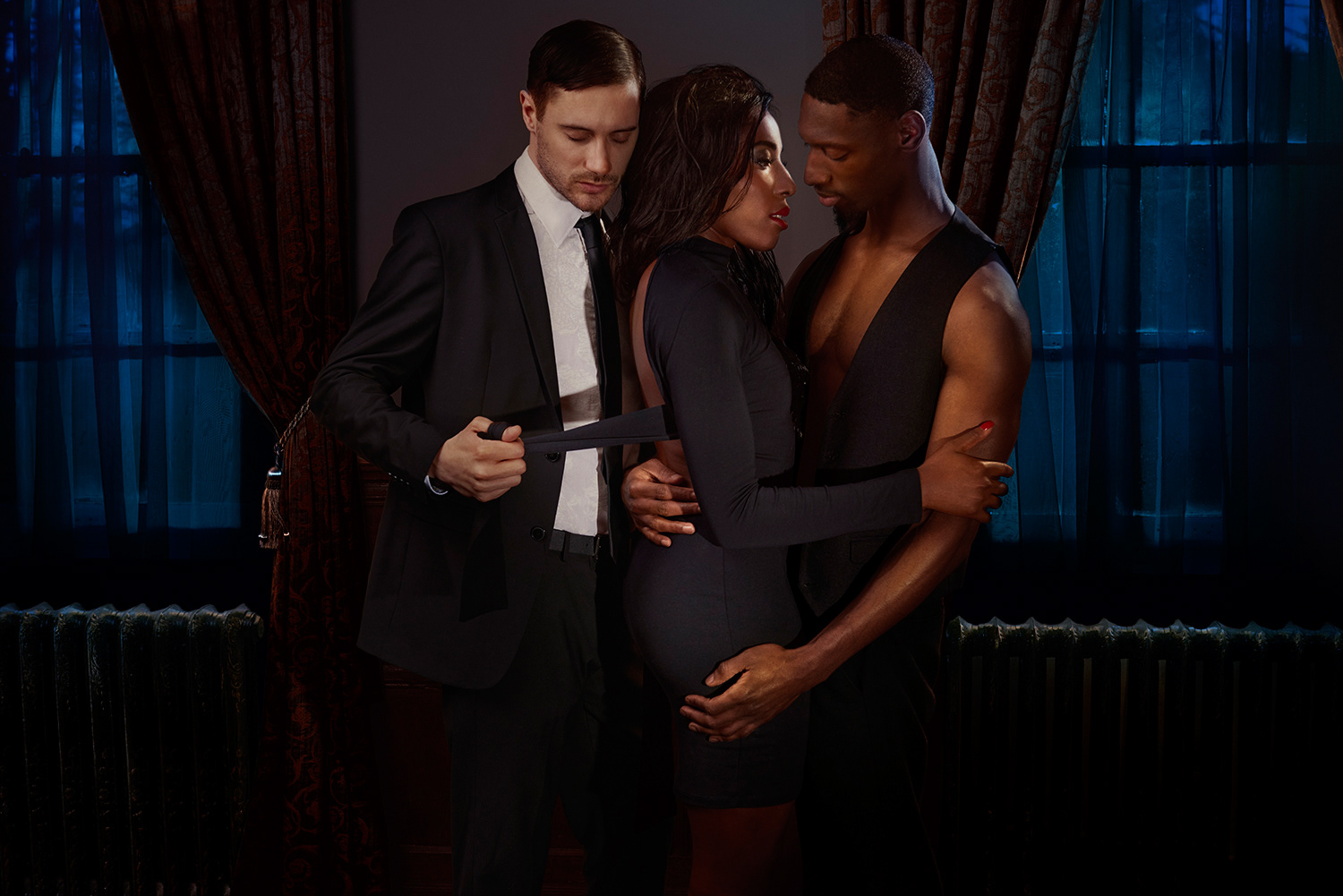
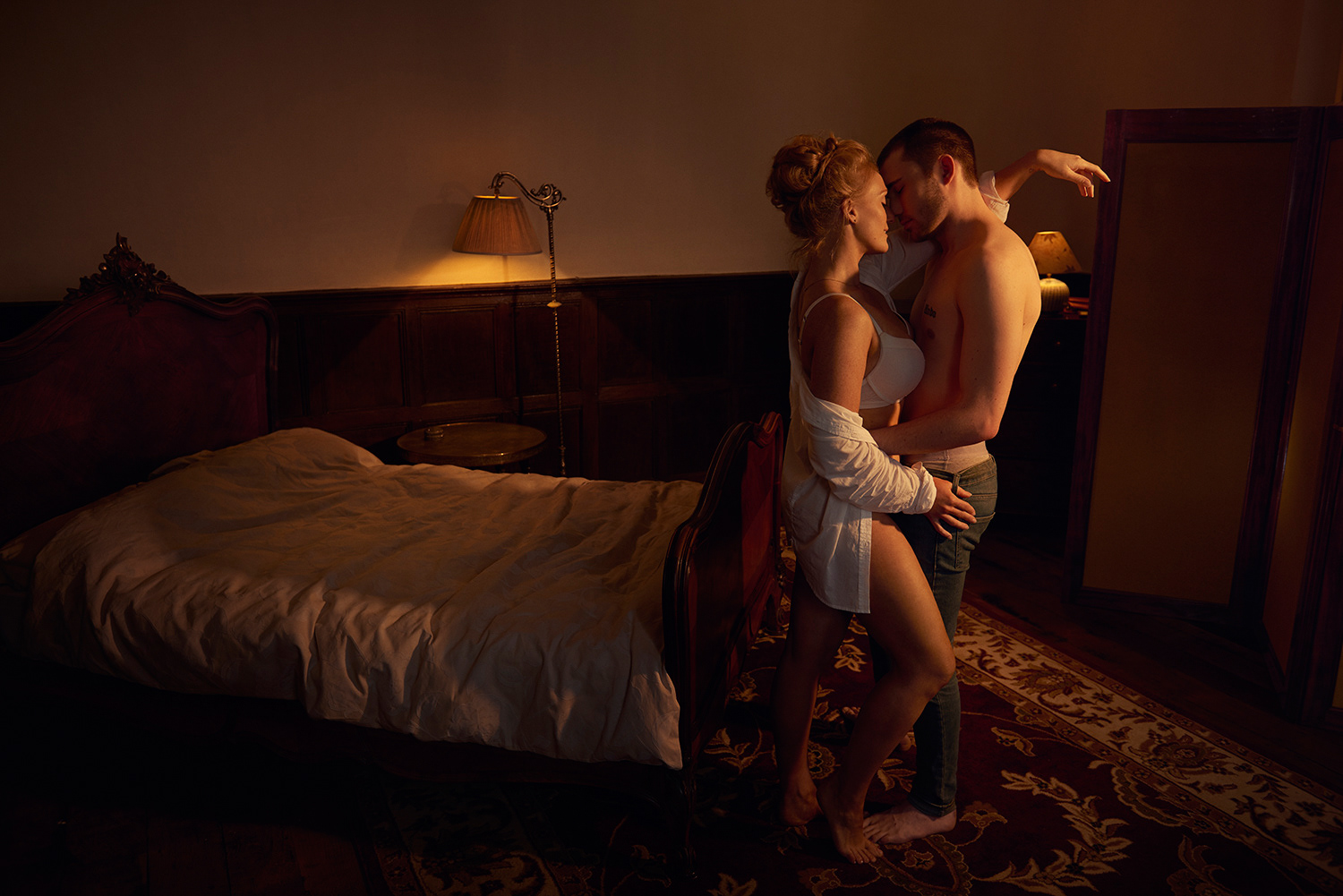
The aim of my project was to explore the themes of love, rejection, and the post-rejection traumas that shape our lives. Through a series of group discussions and visual responses, I created a space for collective reflection and creative interpretation of these deeply human experiences.
Throughout history, countless romances, unions, and mismatched pairings have been recorded. Love has unfolded between people of every nationality, race, and configuration of gender and identity. This is how our world is built, and how it has always been. Love drives us. Neuroscience shows it functions like a basic need, much like thirst. The ancient Greeks called it “the madness of the gods,” while modern psychology describes it as a powerful desire for emotional union with another person.
I find myself digging into neuroscience, physics, and psychology in an attempt to understand what compels us to name our emotions and articulate our feelings. Like so many, I chase love relentlessly - hoping to find it, nurture it, and hold on to it. We all succeed, and we all lose. Some search endlessly, some pay for it, and some are simply fortunate enough to find their counterpart in this vast and crowded world.
People love. People cheat. People judge. People can be brutal. We seek attraction and attention, intimacy and lust, deep connection and long-term partnership. Love inspires us; new relationships revive us.
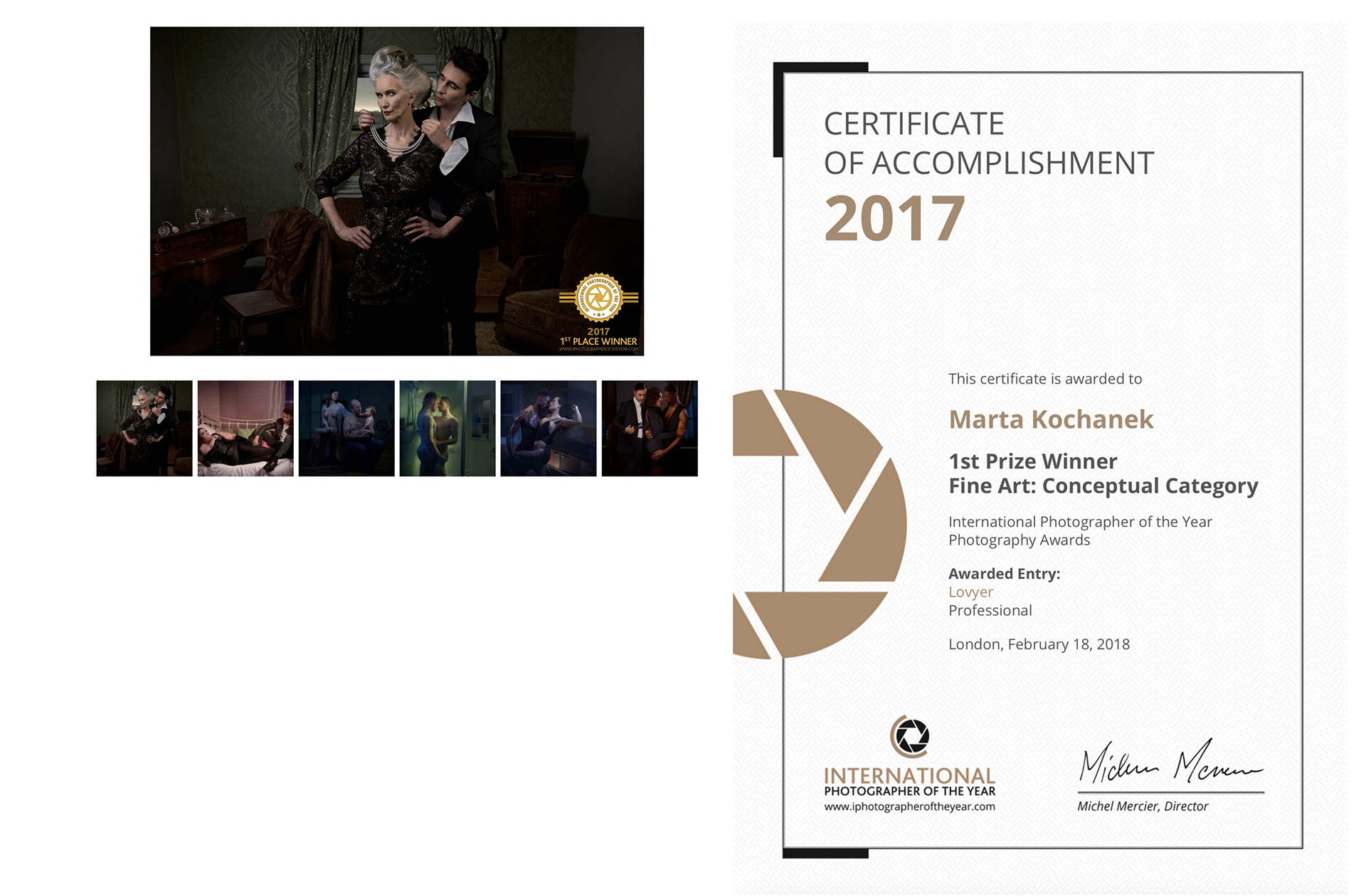
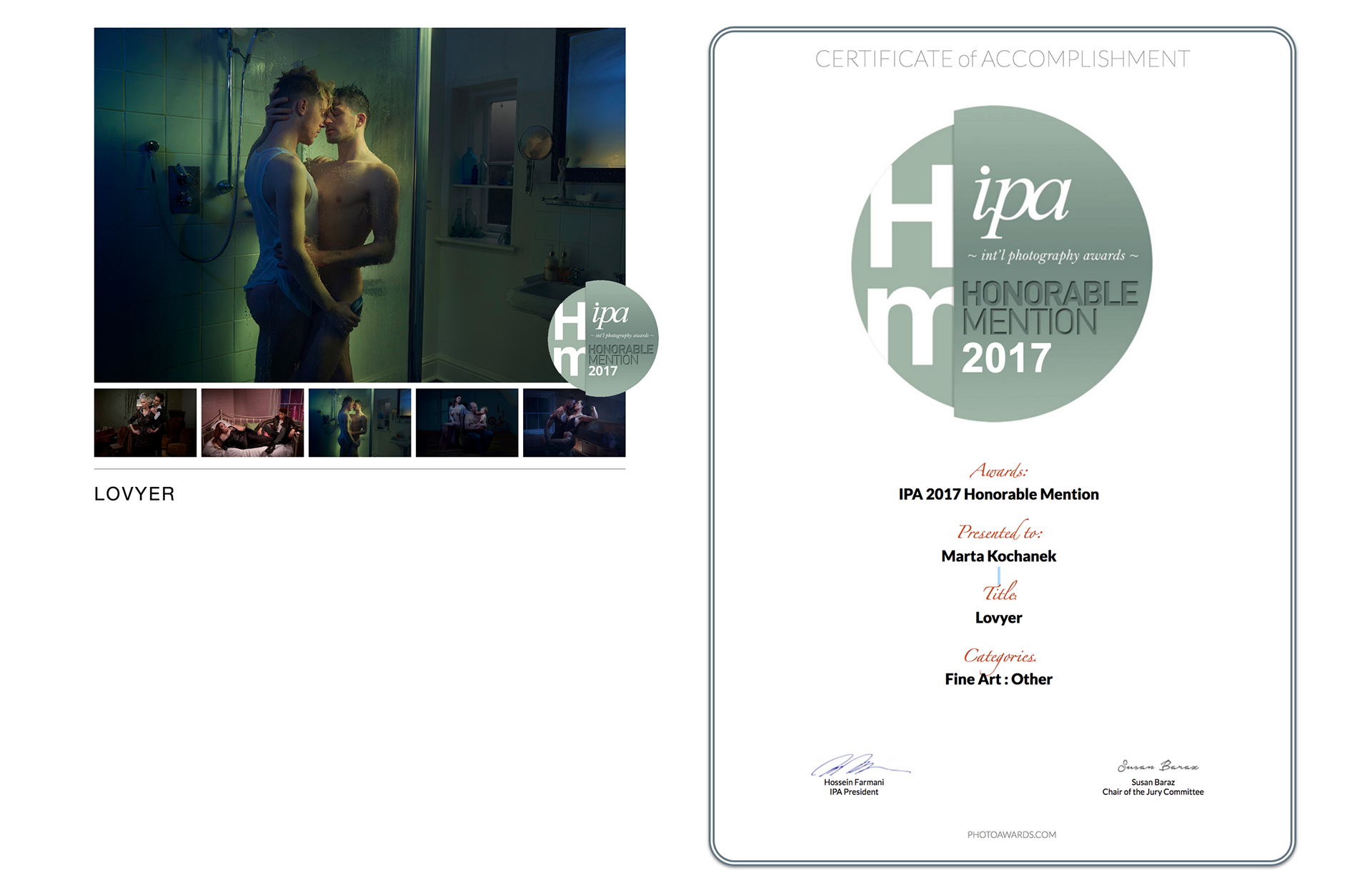
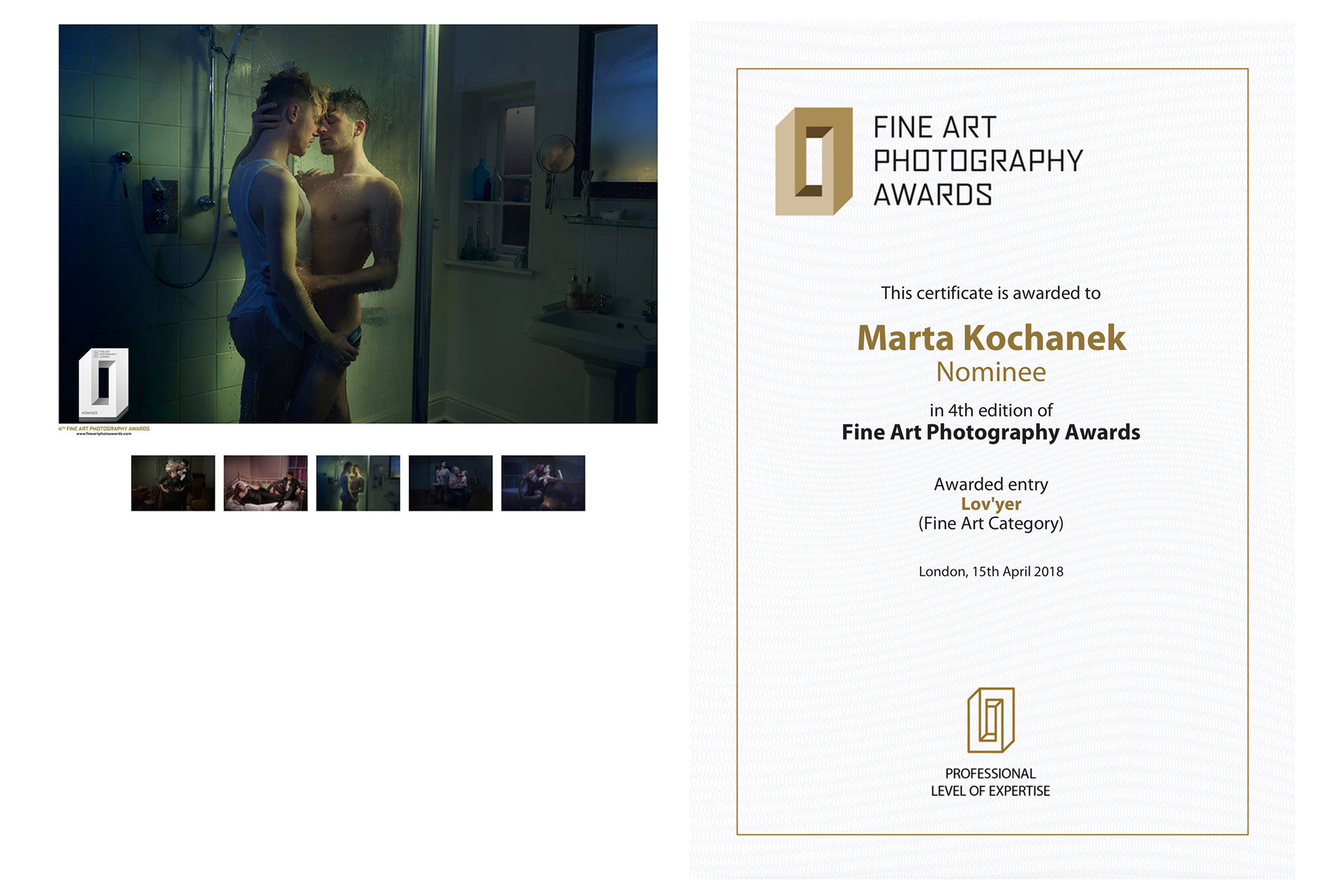
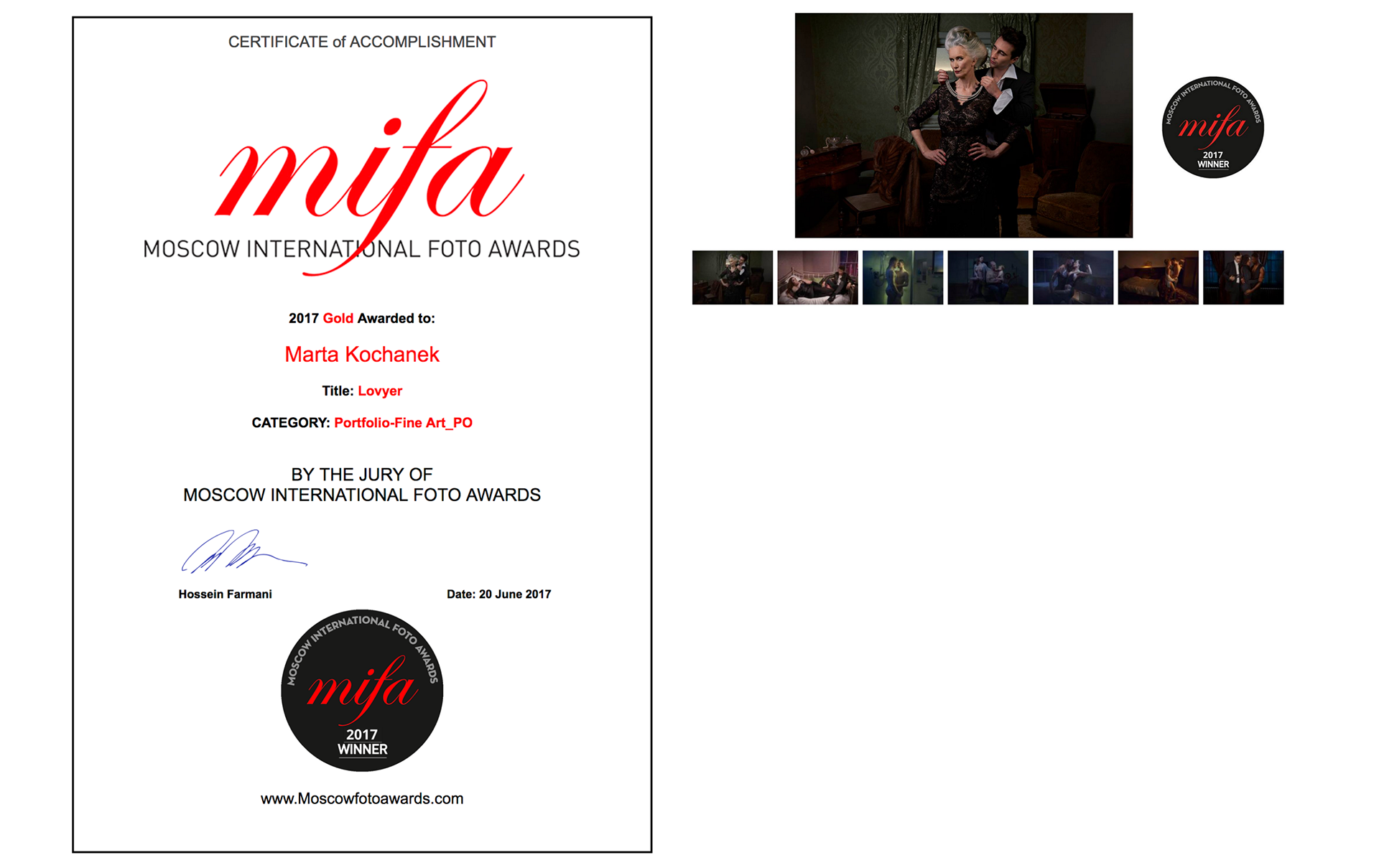
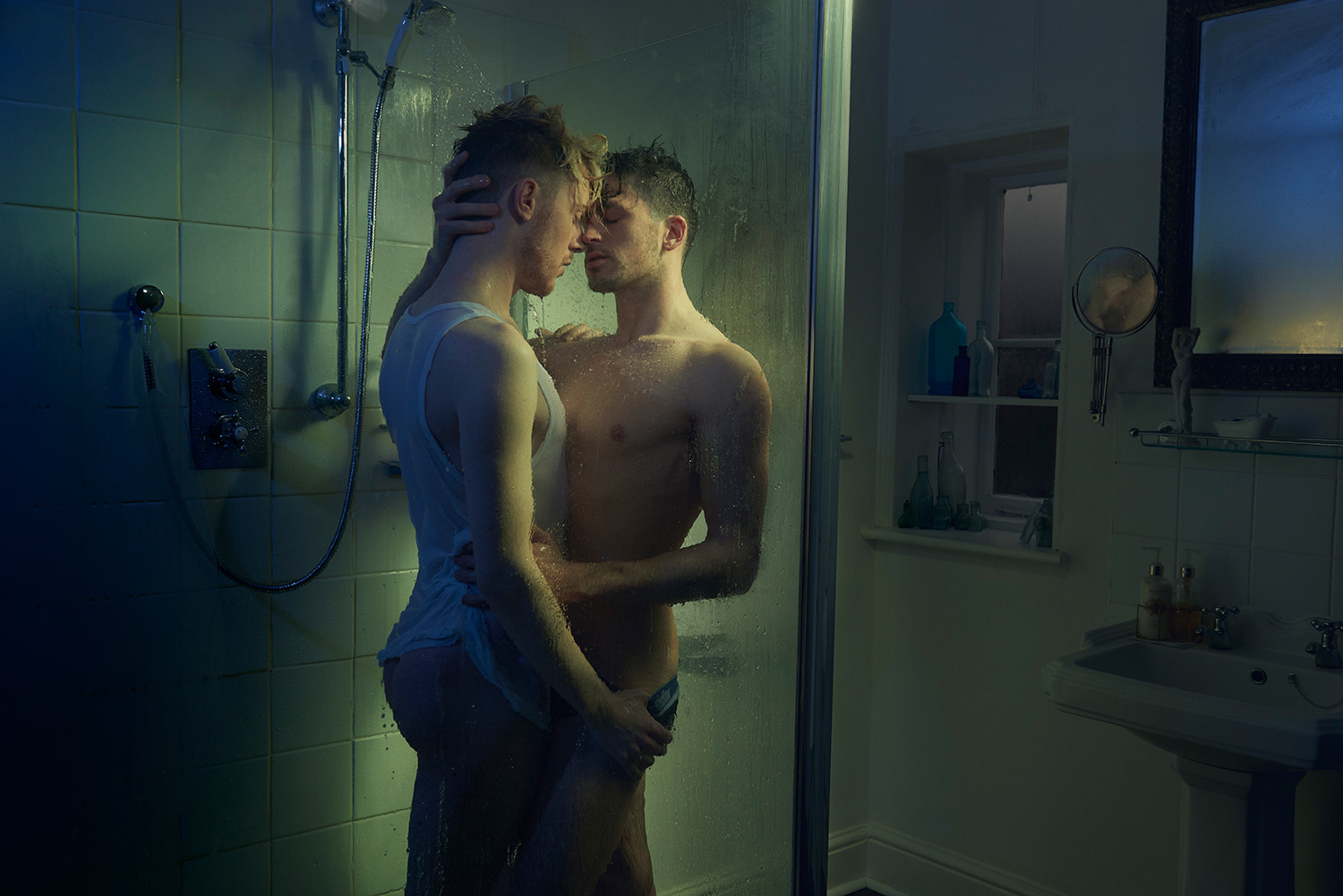
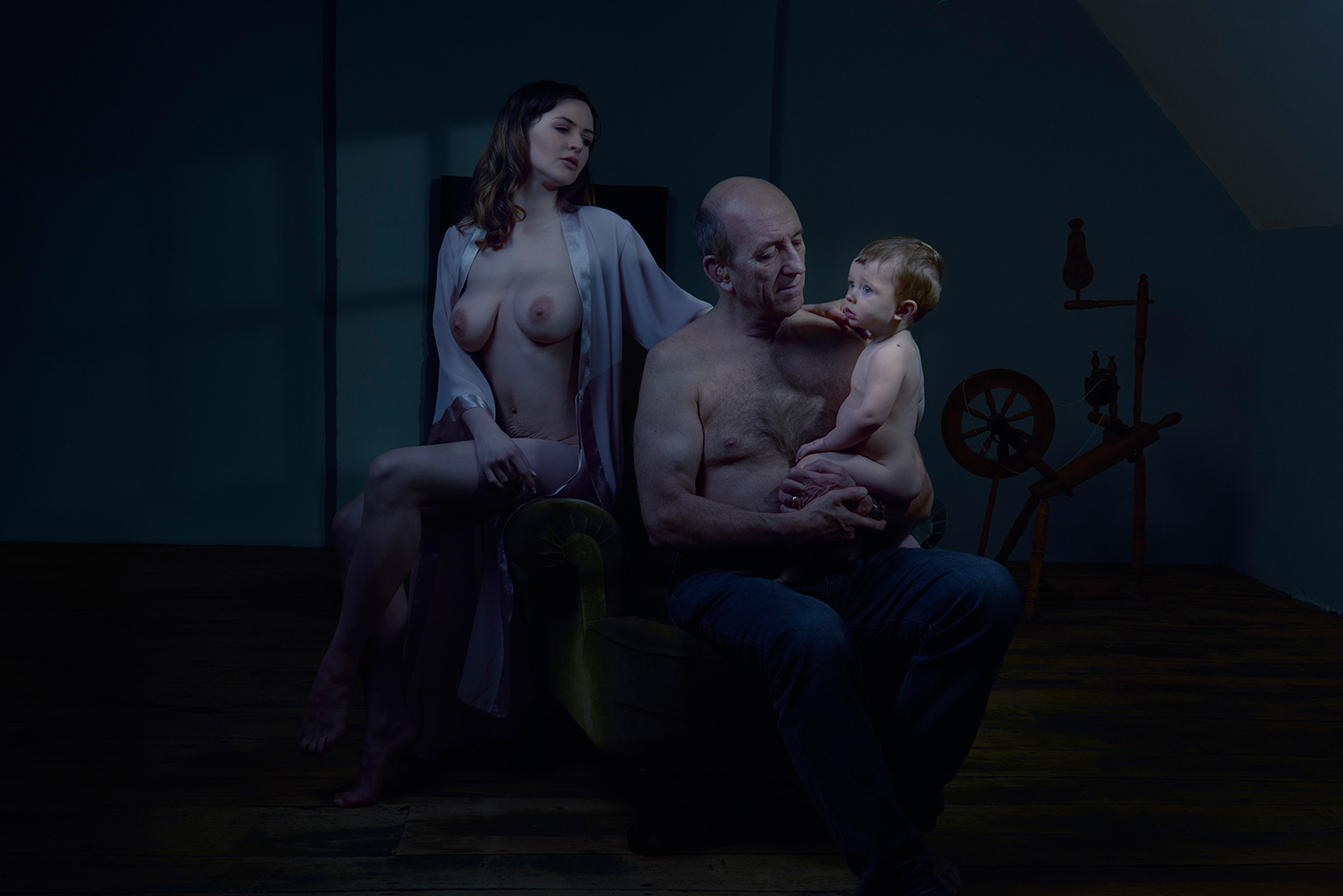
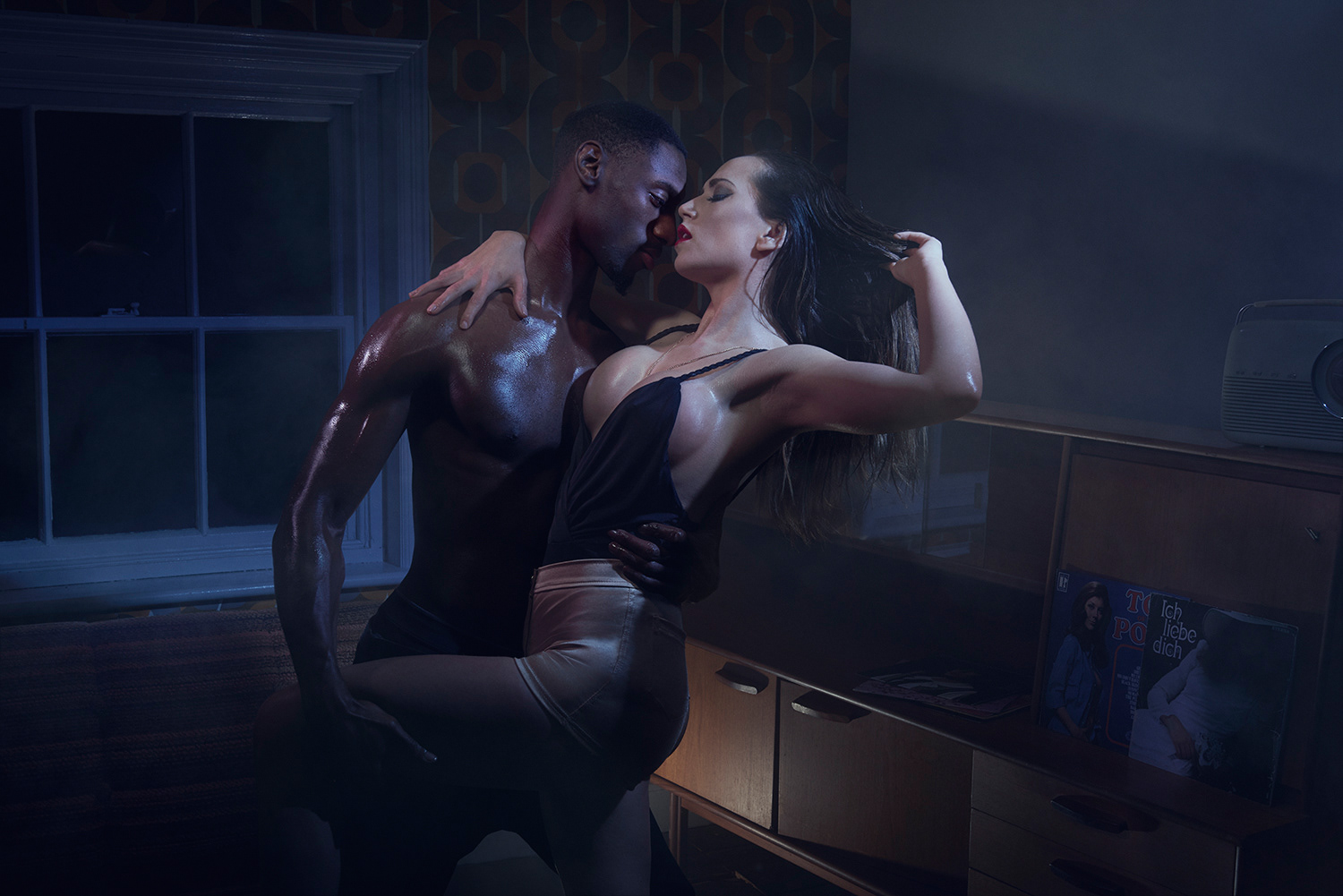
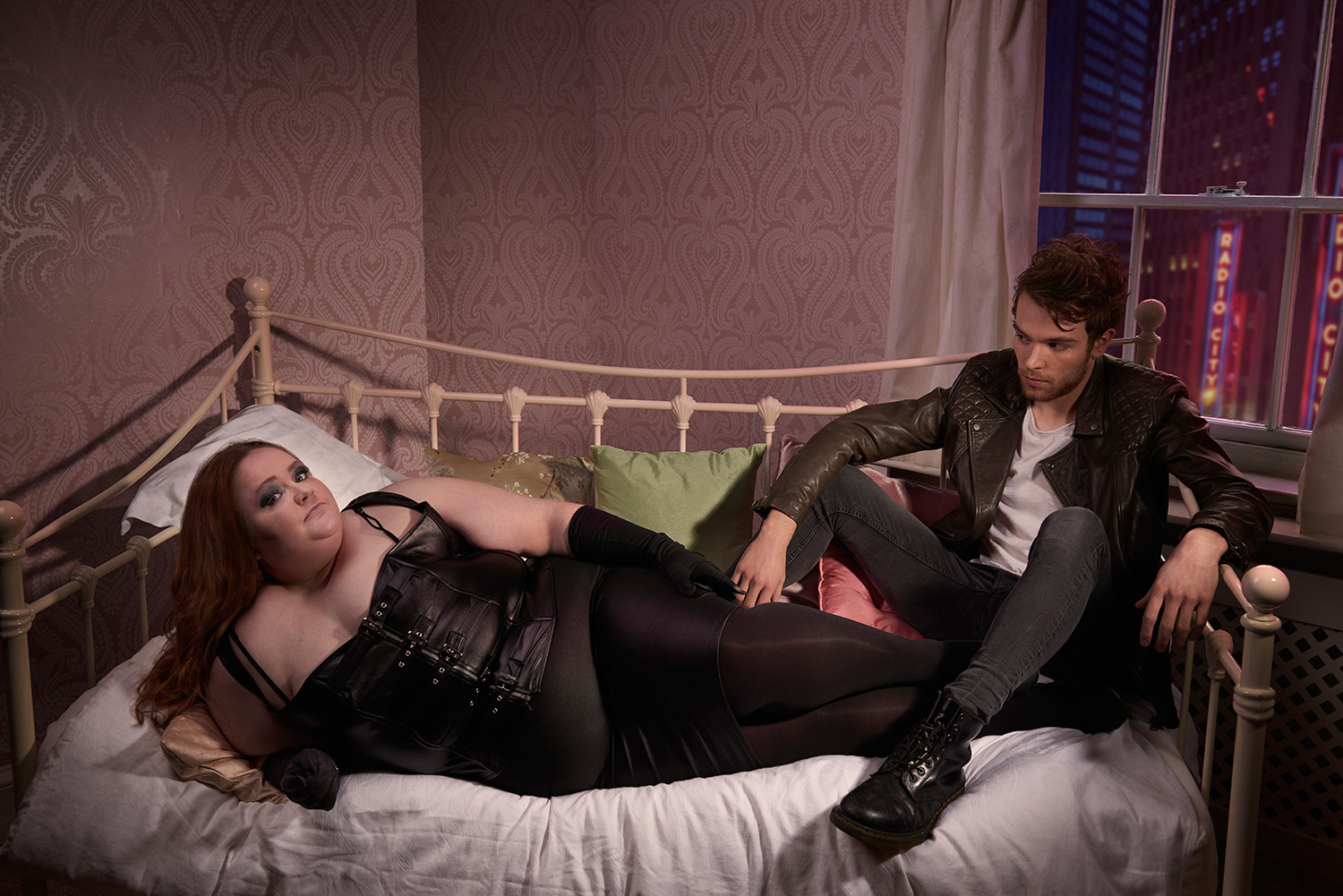
In my Lov'yer project, I portrayed eight relationships that reflect both majority and minority experiences across the world. I contrast youth with age, curvy with slim, straight with gay. My research led me through stories of lovers, cougars, sugar daddies, gigolos, admirers, secret suitors, and cohabitants. I realized that what seems absurd to many is entirely normal to others; what offends millions may feel like a blessing to someone else. What liberates one group may provoke hatred - or even violence - in another.
One of my earliest inspirations was the Ain Sakhri Lovers, the oldest known representation of a human couple making love - an 11,000-year-old figurine rich with meaning. On a personal note, my surname, when translated from Polish to English, simply means Lover. The word itself appears in some of the earliest English writings of the 8th century. For the title of the project, I chose Lov'yer, an obsolete Middle English form of lover, echoing a lineage of human desire that stretches across millennia.